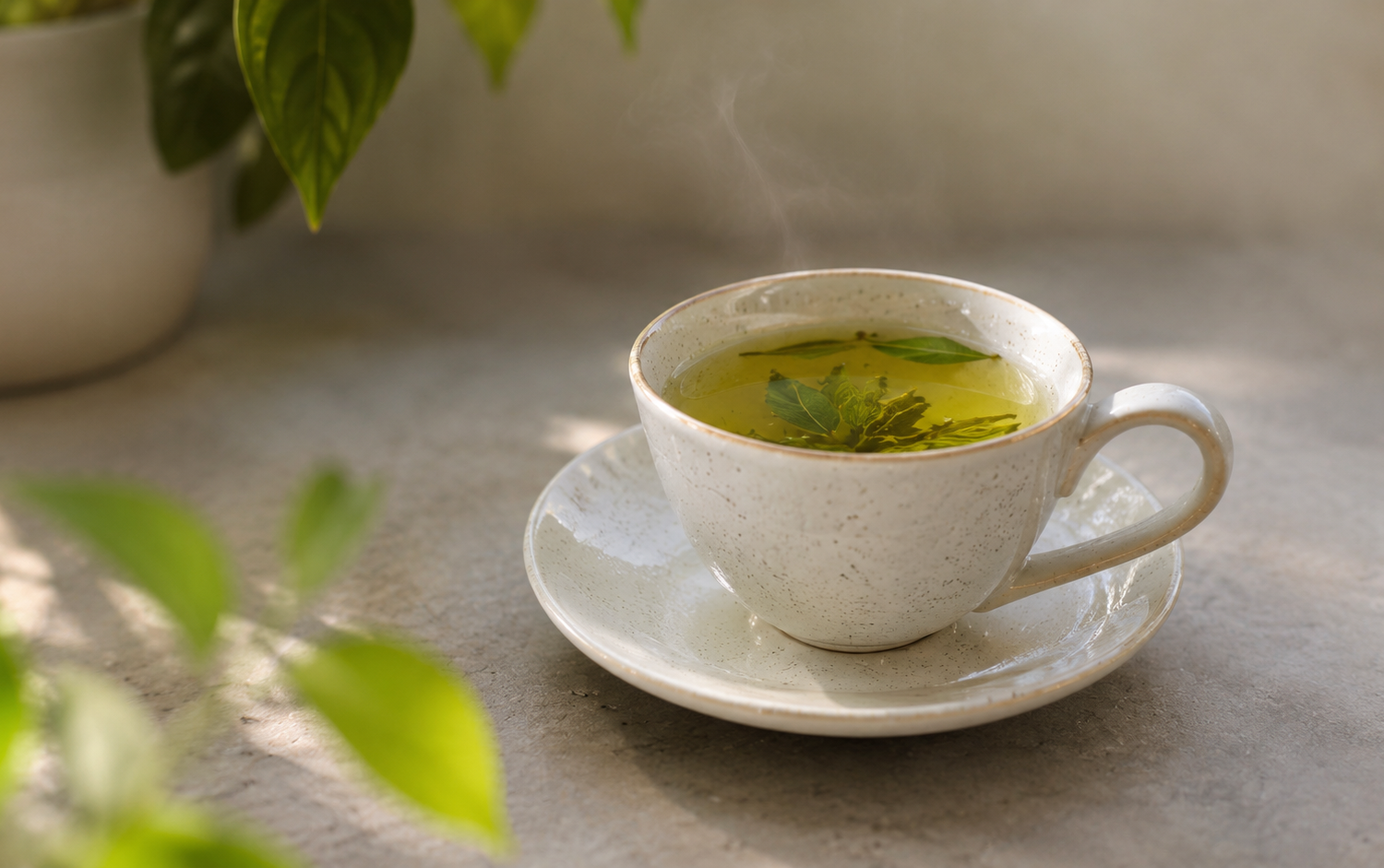
Green Tea is one of the most widely consumed teas in the world. It is made from the leaves of the Camellia sinensis plant and is known for its fresh taste and numerous health benefits. Green tea has been used for centuries in traditional medicine, especially in Asian countries. It contains caffeine, but in much lower amounts compared to coffee or black tea.
Green tea is popular for its antioxidant properties and is often included in daily wellness routines. Over the years, it has gained global popularity for supporting digestion, metabolism, and overall health.
Origins of Green Tea
Green tea originated in China more than 4,000 years ago. From China, it spread to Japan, Korea, and other parts of Asia. Today, green tea is grown in many countries including China, Japan, India, Sri Lanka, and Vietnam.
Different regions produce different varieties of green tea depending on climate, soil, and processing techniques. Some well-known green teas include Sencha, Matcha, Longjing (Dragon Well), and Gunpowder tea.
How is Green Tea Processed?
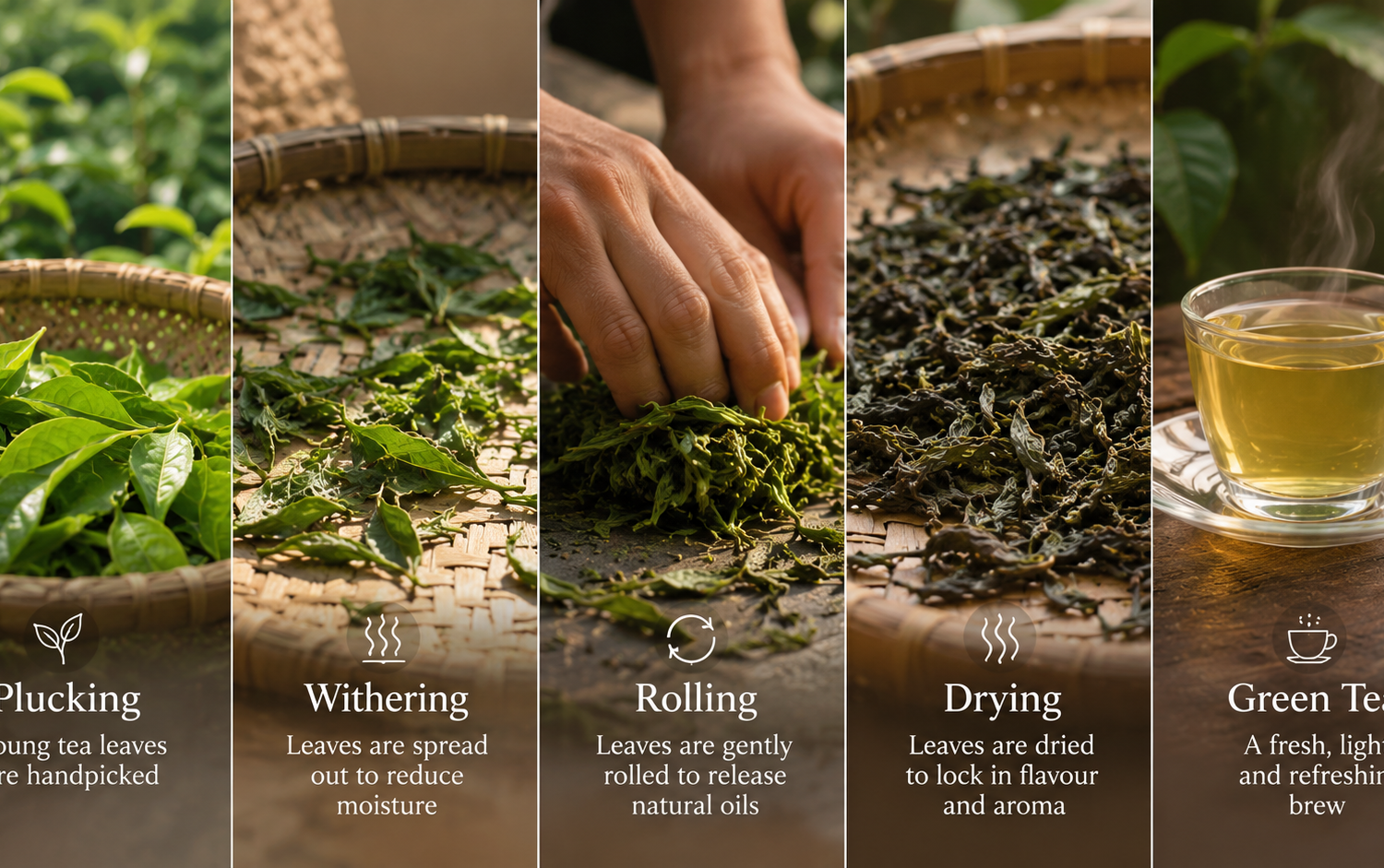
Green tea is made by harvesting fresh tea leaves and quickly heating them to prevent oxidation. This process helps retain the green color and natural antioxidants of the leaves. The leaves are then rolled and dried.
Unlike black tea, green tea is not fermented. This is why green tea has a lighter color and a fresher, more delicate taste.
HEALTH BENEFITS OF GREEN TEA
Improves Digestion
Green tea contains antioxidants that help improve digestion. Drinking green tea after meals may help reduce bloating and support gut health.
Boosts Metabolism
Green tea is known to support metabolism and is often included in weight management diets. It contains natural compounds that help the body burn fat more efficiently.
Rich in Antioxidants
Green tea is rich in catechins, especially EGCG, which help fight free radicals in the body. These antioxidants support overall health and immunity.
Supports Heart Health
Regular consumption of green tea may help regulate cholesterol levels and support heart health when consumed as part of a balanced lifestyle.
Enhances Skin Health
The antioxidants present in green tea help reduce inflammation and promote clear skin. Drinking green tea regularly may help improve skin texture over time.
Provides Gentle Energy
Green tea contains caffeine along with L-theanine, which provides calm and sustained energy without causing jitters.
How to Make Green Tea

Ingredients:
1 tsp Green Tea Leaves
1 cup Water (not boiling)
Method:
Heat water and allow it to cool slightly after boiling.
Add green tea leaves to a cup or teapot.
Pour hot water over the leaves.
Allow it to steep for 2–3 minutes.
Strain and serve warm.
You can add honey or lemon if required.
Appearance and Taste Notes of Green Tea
Appearance: Light green to pale yellow liquor. Clear and bright once brewed.
Taste: Fresh, grassy, and mildly bitter with a clean finish.
When to Have Green Tea
Green tea can be consumed at any time of the day. It is best had in the morning or after meals. Avoid drinking green tea late at night due to its caffeine content. 2–3 cups of green tea can be consumed in a day. Excess consumption is not recommended.