India is a country that can genuinely take your breath away at every turn, and its tea is no different. When people outside India think of Indian tea, they almost always think of two things — Assam and Darjeeling. And while both are extraordinary, they are just the beginning of a story that stretches from the misty peaks of the Himalayas all the way down to the tropical hills of Kerala and Tamil Nadu. India is not one tea story. It is many. Each region grows something entirely its own, shaped by its soil, its elevation, its rainfall, its people, and its history. I am not a tea professional or an expert with formal training. I am simply someone who has fallen completely and irreversibly in love with tea, and this is my honest, passionate exploration of the tea growing regions of India and what makes each one so uniquely special.
- Assam – The Mighty One
- Darjeeling – The Champagne of Teas
- Nilgiri — The Fragrant South
- Kerala — Munnar and Wayanad
- Kangra — The Valley That Refused to Give Up
- Dooars and Terai — The Unsung Backbone
- Sikkim — Organic and Proud
- Tripura — The One to Watch
- Karnataka — The Coffee Country That Also Makes Tea
- Cachar and the Barak Valley — Assam's Other Side
- Uttarakhand — Himalayan Tea with a Quiet History
- Arunachal Pradesh — The Wild Frontier
- Meghalaya — Where the Clouds Live
- Nagaland — Hidden in the Hills
- Manipur — The Well-Kept Secret
- Mizoram — Lush and Unhurried
- Odisha — The Unlikely Entry
- Andhra Pradesh — The Overlooked Contributor
- Nelliampathy — Kerala's Third Secret
- India's Tea Map Is Still Being Written!
Assam – The Mighty One
If India’s tea story has a heartbeat, it beats loudest in Assam. Sitting in the northeastern corner of the country, draped on either side of the Brahmaputra river, Assam is the single largest tea growing region in the world under one continuous stretch of land. That is not a small thing. And when you hold a cup of Assam tea in your hands, you feel that scale – bold, malty, deep, and unapologetic.
What makes Assam tea so distinct is largely the land itself. The Brahmaputra valley is low-lying, warm, and receives enormous amounts of rainfall. The heat and humidity create growing conditions unlike anywhere else on the planet. The tea plant that thrives here is Camellia sinensis var. assamica — a large-leafed variety naturally suited to this lush, wet, tropical environment. The tea it produces is not delicate. It does not whisper. It announces itself.
Assam primarily produces black tea, and within that, both orthodox and CTC styles. CTC — which stands for Crush, Tear, Curl – is the process behind the familiar small, round granules that most Indian households brew every single morning. It is strong, it brews fast, it holds up beautifully to milk and sugar, and it is the backbone of chai across the country. Orthodox Assam, on the other hand, is a whole different world – whole leaves, more nuance, and a depth of character that rewards a slower, more attentive cup.
Assam also produces some green tea, though it remains far less celebrated than its black tea. Given how much I think Indian green teas deserve more attention, Assam green tea is genuinely worth seeking out if you have never tried it.
Darjeeling – The Champagne of Teas
No conversation about tea growing regions of India is complete without pausing, taking a breath, and truly appreciating Darjeeling. This small district in the hills of West Bengal, nestled high in the foothills of the Himalayas, produces tea that is unlike anything else in the world. It has been called the champagne of teas, and that comparison is not just poetry — it is earned.

What sets Darjeeling apart begins with elevation. The tea gardens sit at remarkable heights, sometimes reaching well above two thousand metres above sea level. The cool mountain air, the mist, the dramatic temperature swings between day and night, and the particular mineral character of the soil all come together to create something truly singular. Darjeeling teas have a quality known as muscatel — a grape-like, floral, almost wine-like note that no other tea in the world quite replicates. It is one of those things you have to experience in a cup to understand.
Darjeeling is also the home of the flush system, which I find endlessly fascinating. The first flush — harvested in early spring — is light, bright, almost green in character, with a freshness that feels like the mountains themselves woke up and walked into your cup. The second flush, harvested in early summer, is when the famous muscatel character truly sings. The monsoon flush is more abundant but lighter in quality. And the autumn flush brings a quieter, rounder, more settled kind of warmth.
Darjeeling produces primarily black and white tea, but in recent years, oolong and green teas from Darjeeling have started making their presence known, and they are extraordinary. The same terroir that produces the world’s finest black tea also has the capacity to produce world-class oolongs, and that is genuinely exciting territory for a tea lover to explore.
Nilgiri — The Fragrant South
Nilgiri means Blue Mountains in Tamil, and when you look at those rolling hills of Tamil Nadu covered in tea gardens that seem to stretch on forever, the name makes perfect sense. Nilgiri is the third largest tea growing region in India, and I genuinely believe it is one of the most underrated.
Nilgiri teas are grown at high elevations across the Western Ghats, and what they produce is a tea that is bright, fragrant, smooth, and wonderfully drinkable. Where Assam is bold and Darjeeling is delicate and complex, Nilgiri sits in a space of its own — clean, aromatic, approachable, and deeply satisfying. The liquor brews to a lovely copper colour, and there is a natural brightness to it that makes it incredibly refreshing both hot and as iced tea.
One of the more extraordinary things about Nilgiri is the frost tea — a rare and special harvest that happens when frost settles on the tea plants during the coldest months. The stress of the frost concentrates the aromatic compounds in the leaves, producing a tea with a sweeter, more intensely fruity character. As someone who loves exploring the more unusual corners of the tea world, Nilgiri frost tea is one of those things that genuinely makes me excited about Indian tea’s potential.
Nilgiri produces largely black tea, but the region also contributes to green and white tea production, and those varieties deserve far more attention than they currently receive.
Kerala — Munnar and Wayanad
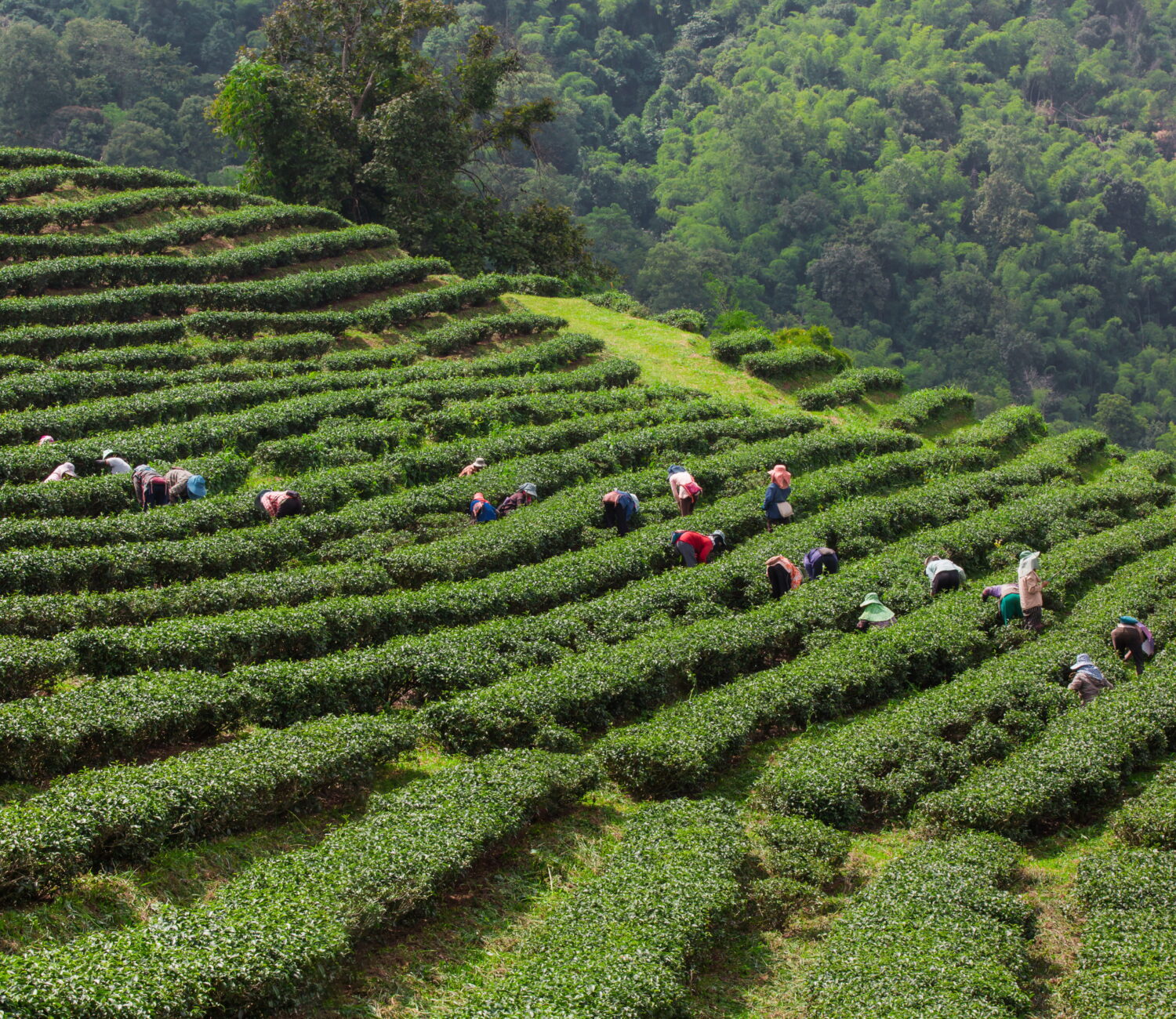
Kerala holds a very special place in India’s tea map, and honestly, in my heart too. Munnar in particular is one of those places that feels almost unreal — endless rows of tea gardens draped over misty hills, the air carrying the scent of green and damp earth, and a quiet that somehow makes tea taste better just by being there.
Munnar sits at a remarkable altitude in the Idukki district of Kerala, within the Western Ghats. The teas produced here are clean, bright, refined in flavour, and carry a lovely floral quality. The cool temperatures, heavy rainfall, and the particular character of the Western Ghats landscape all contribute to a tea that feels distinctly Keralan — graceful and unhurried.
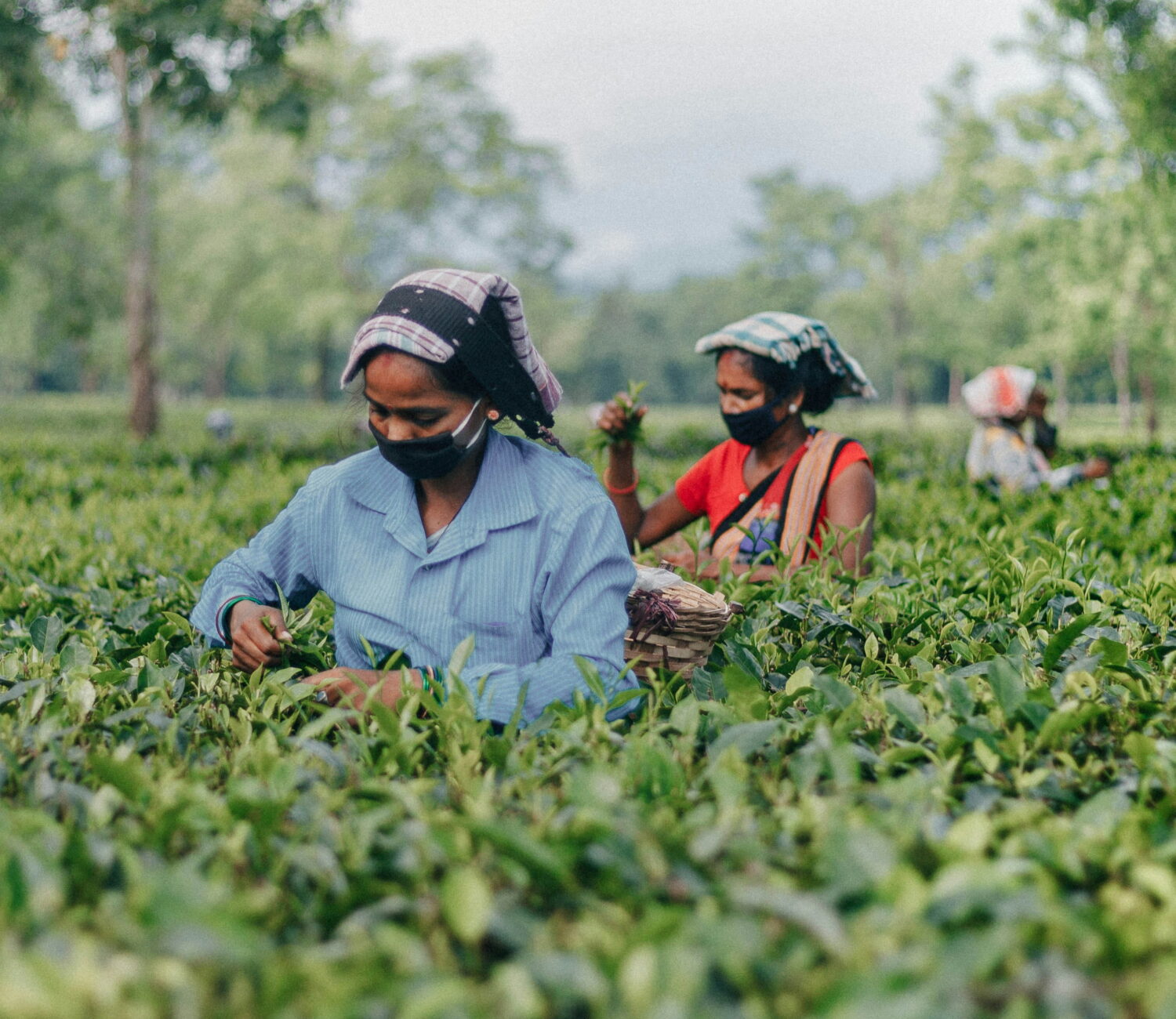
Wayanad, also in Kerala, produces tea with a somewhat different character. The gardens sit at varying elevations, which naturally produces a wider range of flavour profiles, and the teas here tend to be a touch stronger than Munnar, making them popular in blends. Together, Munnar and Wayanad give Kerala a tea identity that is wholly its own, separate from both the northern boldness of Assam and the high-altitude delicacy of Darjeeling.
Kerala largely produces black tea across both CTC and orthodox methods, but the region’s growing focus on quality and sustainability is opening doors for more nuanced, specialty productions that I am genuinely excited to follow.
Kangra — The Valley That Refused to Give Up
Kangra in Himachal Pradesh is perhaps the most underdog story in all of India’s tea growing regions, and I mean that with enormous affection. Tea first came to Kangra in the mid-nineteenth century, and for a while, this valley in the western Himalayas was producing some genuinely celebrated teas. Then a devastating earthquake in 1905 wiped out much of the industry, and the region spent decades rebuilding from nothing. The fact that Kangra tea exists and thrives today is a testament to the stubbornness and passion of the people who refused to let it disappear.
Kangra teas are lighter and paler than Darjeeling, but they carry a lingering sweetness in the aftertaste that is quite distinct. The cool climate of Himachal Pradesh, the fertile mountain soil, and the Chinese variety of the tea plant — originally planted here rather than the Assam variety — all contribute to a tea that is gentle, aromatic, and slightly different from anything else grown in India.
The region produces primarily orthodox black tea, with some green tea also coming out of Kangra in recent years. For anyone who loves the idea of a tea with a quiet, resilient story behind it — Kangra is worth finding and worth trying.
Dooars and Terai — The Unsung Backbone
Sitting in the foothills of Darjeeling, bordering Bhutan, the Dooars and Terai regions of West Bengal produce a volume of tea that is genuinely enormous — and yet these regions rarely get the recognition they deserve. Dooars teas are full-bodied, bright, and smooth, with a character that sits somewhere between the bold strength of Assam and the more refined notes of Darjeeling. They are the kind of teas that make an excellent daily cup — reliable, satisfying, and honest.
The landscape here is lush, flat to gently rolling, crossed by numerous rivers and streams flowing down from the Bhutanese hills. The name Dooars itself means doors — and it is literally the doorway into the northeastern hills and Bhutan. This geography shapes the tea in quiet but unmistakable ways.
Dooars produces primarily CTC black tea, which makes it one of the major contributors to the everyday chai that most of India wakes up with. But the region is also seeing a growing movement towards orthodox production, and the teas emerging from that shift are genuinely worth paying attention to.
Sikkim — Organic and Proud
Sikkim is a small, mountainous state nestled between Darjeeling and Nepal, and its tea has a story that feels modern in the most beautiful way. Temi Tea Estate — the primary and most celebrated garden in Sikkim — has become synonymous with organic, sustainably grown tea of remarkable character. The state has made a conscious and committed push towards organic farming, and the teas that come from here reflect that care in every cup.
Sikkim teas bear some resemblance to Darjeeling, which makes sense given how close the two regions are geographically. The first flush from Sikkim carries a fresh, floral brightness, while the second flush deepens into something richer and more toasty. For someone who cares about both the quality and the conscience behind their cup, Sikkim tea is an incredibly compelling place to spend time.
Tripura — The One to Watch
Tripura does not come up often in conversations about tea growing regions of India, and that is precisely why I want to mention it. This small northeastern state has been quietly building its tea identity for over a century, and in recent years, the quality of orthodox teas coming from Tripura has been turning heads. The teas carry floral and citrusy notes with a natural brightness that speaks to the fertile soil and monsoon-rich climate of the region. It is the kind of tea story that reminds you that India’s tea map is still being written.
Karnataka — The Coffee Country That Also Makes Tea
Karnataka is one of those places that surprises you when tea comes up in conversation. Most people associate this state with coffee — Coorg and Chikmagalur are legendary names in the Indian coffee world — and yet Karnataka is the fifth largest tea producing state in India. That is not a small fact to overlook, and the Indian tea conversation has been overlooking it for far too long.
The tea from Coorg and Chikmagalur grows in the same lush, misty, high-altitude landscape that produces some of India’s finest coffee. The result is a tea that is bright, brisk, and clean — with a character that reflects the richness of that Western Ghats soil. Karnataka tea does not shout. It sits quietly in the background, doing its job beautifully, often ending up in blends that carry no mention of where they came from. That anonymity is unfair, and the more I think about it, the more I believe Karnataka tea deserves its own conversation entirely.
Cachar and the Barak Valley — Assam’s Other Side
Most people who love Assam tea think of the Brahmaputra valley — that vast, lush, low-lying stretch of land that produces the bold, malty character Assam is famous for. But Assam has another tea growing belt that rarely makes it into conversations — the Barak Valley, home to the Cachar tea region. Separated from the Brahmaputra valley by a stretch of hills, Cachar grows its tea on low hillocks known locally as teelas, surrounded by wetlands and rivers. The teas here carry their own distinct character — still recognisably Assam in their boldness, but with subtle differences that speak to a different landscape, a different microclimate, and a different story. If you think you know Assam tea, Cachar is the reminder that you might only know half of it.
Uttarakhand — Himalayan Tea with a Quiet History
Uttarakhand is another state that does not come up nearly enough when Indian tea growing regions are discussed. The Dehradun valley and the Kumaon hills have a long, quiet history of tea cultivation that stretches back to the colonial era. The teas grown here sit in cool, high-altitude Himalayan conditions, and they carry that elevation in their flavour — lighter, more aromatic, with a gentleness that feels very different from the muscular boldness of Assam.
Uttarakhand tea is small scale. It is not driving exports or filling supermarket shelves. But it exists, it has character, and it is part of a tradition that predates the independence of this country. For a tea lover who enjoys the idea of sitting with a cup that carries real history in it, Uttarakhand is worth seeking out.
Arunachal Pradesh — The Wild Frontier
If there is one region in India that I think is going to genuinely surprise the tea world in the coming years, it is Arunachal Pradesh. This extraordinary state — vast, forested, largely untouched — sits right alongside Assam and shares much of its geography and climate. Tea has been grown here and the conditions are remarkable. The elevation, the soil, the rainfall, the sheer wildness of the landscape — all of it points to a region with enormous potential.
Arunachal Pradesh tea is still very much an emerging story. It has not yet found the spotlight it deserves. But as the Indian specialty tea movement continues to grow and more tea lovers start looking beyond the familiar names, Arunachal Pradesh is going to become a name people say with the same reverence they currently reserve for Darjeeling and Assam. I genuinely believe that.
Meghalaya — Where the Clouds Live
Meghalaya means the abode of clouds, and if you have ever seen photographs of this extraordinary northeastern state, you understand why. It is one of the wettest places on the planet, wrapped in mist and rain for much of the year, sitting on hills that feel like they exist in a world apart from the rest of India. And tea grows here.
The conditions in Meghalaya are almost absurdly well suited to tea — rich soil, cool temperatures, extraordinary rainfall, and high altitude. The tea industry here is still finding its feet, but what is emerging is genuinely interesting. Meghalaya tea carries the freshness and the wildness of its landscape in every cup, and as more small estate and artisan producers emerge from this region, I think it is going to become one of the more exciting corners of India’s tea map.
Nagaland — Hidden in the Hills
Nagaland is a state that most people associate with its extraordinary tribal culture, its festivals, and its food. Tea is not the first thing that comes to mind. But tea estates do exist here, tucked into the green hills of a state that has some genuinely beautiful growing terrain. Nagaland tea is small scale and largely unknown outside the state itself, but it is real, it is growing, and it is yet another reminder of how much of India’s tea story remains untold and unexplored.
Manipur — The Well-Kept Secret
Manipur might be the most quietly kept secret in all of India’s tea growing regions. Nestled between Assam, Nagaland, and Myanmar, this state has growing conditions that are naturally suited to tea — hilly, lush, warm, and well watered. The tea gardens here are small, largely family run, and almost entirely invisible to the mainstream tea market. But they exist, and the people who know about them speak of them with the kind of quiet pride that comes from genuinely loving something rare.
For a tea lover who takes pleasure in finding things that the rest of the world has not yet discovered, Manipur is a fascinating place to start paying attention to.
Mizoram — Lush and Unhurried
Mizoram sits at the southern end of India’s northeastern frontier, bordering Bangladesh and Myanmar, and it is one of the most visually stunning states in the country. Its rolling green hills receive generous rainfall, the temperatures are cool and pleasant, and the soil is fertile. Tea grows here in the quiet way that everything in Mizoram seems to happen — unhurried, beautiful, and largely away from the noise of the mainstream market.
The tea industry in Mizoram is still very much in its early chapters, with small plantations and artisan producers working the land. But the raw material — the landscape, the climate, the altitude — is extraordinary. Mizoram tea is a name I expect to hear more of as the specialty Indian tea movement continues to mature and expand.
Odisha — The Unlikely Entry
Odisha surprises almost everyone when it comes up on India’s tea producing states list. It is not a name anyone associates with tea, and yet tea is indeed grown here in small pockets. The terrain and the rainfall in certain parts of Odisha create conditions that can support tea cultivation, and while it remains extremely limited in scale and profile, the very fact that it exists speaks to how extraordinarily diverse India’s tea growing map truly is.Bihar — Even More Surprising
If Odisha is an unlikely entry, Bihar is perhaps the most surprising name on the entire list. Bihar has a long and complex history, much of it centred around agriculture, but tea is not something most people would connect to this state. And yet here it is — a small, limited, almost invisible presence on India’s official tea producing states list. Bihar tea does not have a profile or a following. It is not something you will find on a specialty shelf. But its existence is a quiet reminder that India’s relationship with tea is wider, stranger, and more wonderful than most of us realise.
Andhra Pradesh — The Overlooked Contributor
Andhra Pradesh is another state that almost never comes up in tea conversations, and yet the Chittoor district in particular has a small but real tea producing tradition. The teas here are primarily black, grown in conditions that are quite different from both the Himalayan north and the high altitude south, and they contribute quietly to India’s overall tea output without ever demanding recognition or spotlight. That kind of quiet contribution deserves at least a mention, and it deserves the acknowledgement that India’s tea map extends far beyond the famous names.
Nelliampathy — Kerala’s Third Secret
Most people who know Kerala tea know Munnar and Wayanad. Far fewer know Nelliampathy. Sitting in the Palakkad district of Kerala, this small highland region produces tea at elevations that create a character quite distinct from its more famous neighbours. Nelliampathy is quieter, smaller, and almost entirely below the radar of the mainstream tea world — but the teas that come from here carry a refinement and a freshness that is entirely its own. Kerala’s tea story is richer than two names, and Nelliampathy is the third chapter that most people simply never get to read.
India’s Tea Map Is Still Being Written!
When I started exploring the tea growing regions of India, I thought I was learning about a handful of famous names. What I found instead was a country whose relationship with tea is so vast, so layered, and so deeply rooted in its geography that no single blog, no single conversation, and no single lifetime of drinking could ever fully capture it.
From the mighty Brahmaputra plains of Assam to the misty clouds of Meghalaya. From the champagne elegance of Darjeeling to the quiet, unhurried hills of Mizoram. From the fragrant Blue Mountains of Nilgiri to the wild, untamed frontier of Arunachal Pradesh. From the coffee country surprise of Karnataka to the most unlikely entries of Bihar and Odisha. India grows tea in ways and in places that continue to astonish me the more I learn.
And that is the thing about tea that keeps pulling me back. Just when you think you know it, it shows you another door. India alone has more doors than most people ever realise exist. The famous regions will always deserve their celebration — but the unsung ones, the emerging ones, the completely overlooked ones — they are where some of the most exciting stories in Indian tea are quietly waiting to be told.
So the next time someone asks you about Indian tea, do not just say Assam or Darjeeling. Tell them the story goes much, much deeper than that. Because it does.