There are some questions every chai lover has asked at least once. “Why does the chai I make at home never taste like the one from my favourite tapri?”
You buy the same tea leaves. You add ginger, cardamom, milk, sugar, sometimes even more generously than the tapriwala. Yet somehow, that roadside cup has a depth, aroma, and comfort that’s hard to recreate. As someone who’s spent years obsessing over tea, I’ve realized that it isn’t just one secret ingredient. It’s a combination of science, technique, and a little bit of nostalgia.
Let’s break down why tapri chai tastes so different, and how you can make your homemade chai taste better.
They Don’t Rush the Brew
One of the biggest mistakes we make at home is being in a hurry.
Water boils.
Tea leaves go in.
Milk follows.
Two minutes later, it’s in the cup.
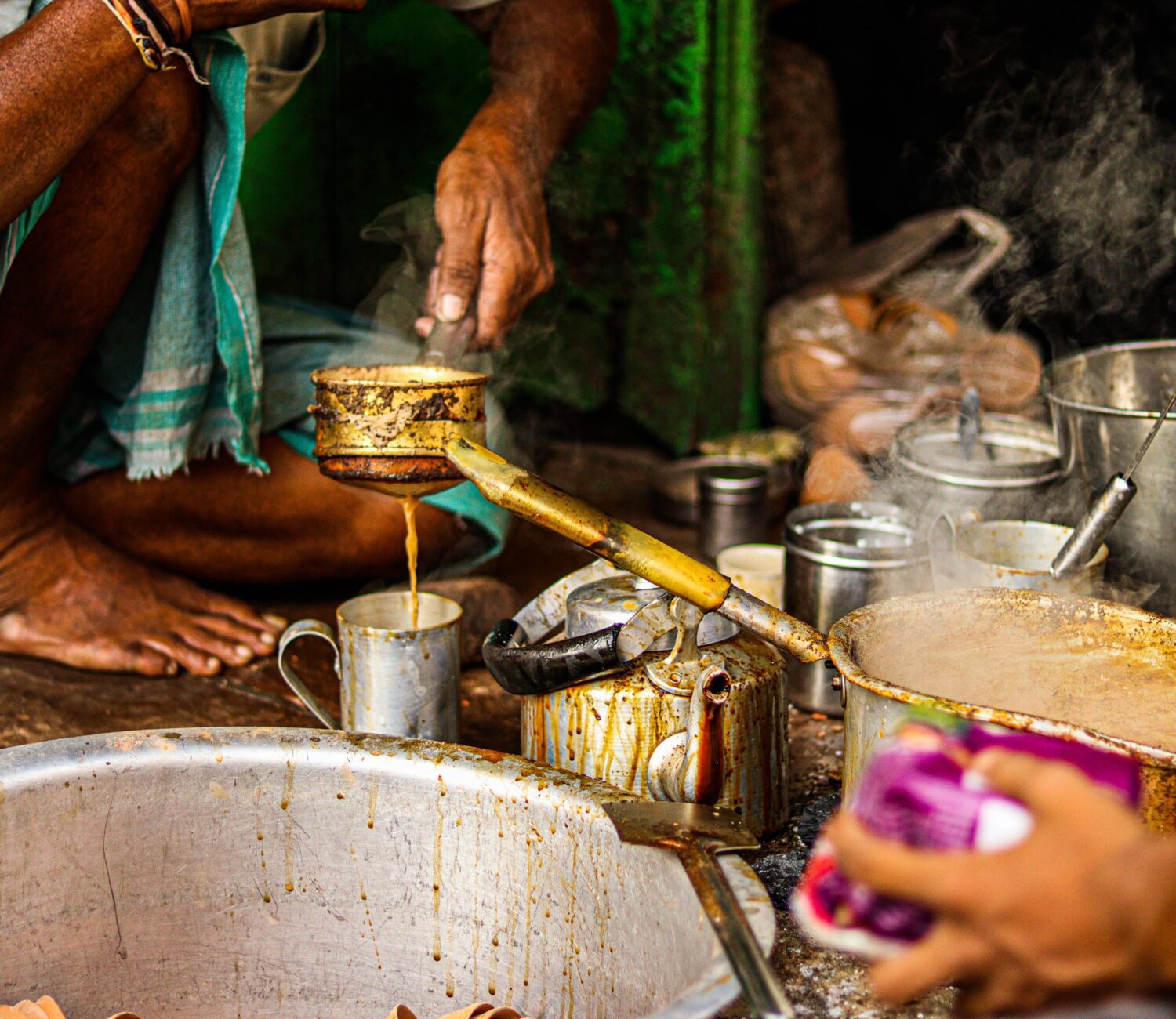
Tapri chai doesn’t work like that. Most chai vendors let the tea simmer for much longer. This gives the tea leaves enough time to release tannins, essential oils, caffeine, and all those flavour compounds that create a rich, full-bodied cup. A quick boil extracts colour. A slow simmer extracts flavour. That extra few minutes make all the difference.
The Milk-to-Water Ratio Is Different
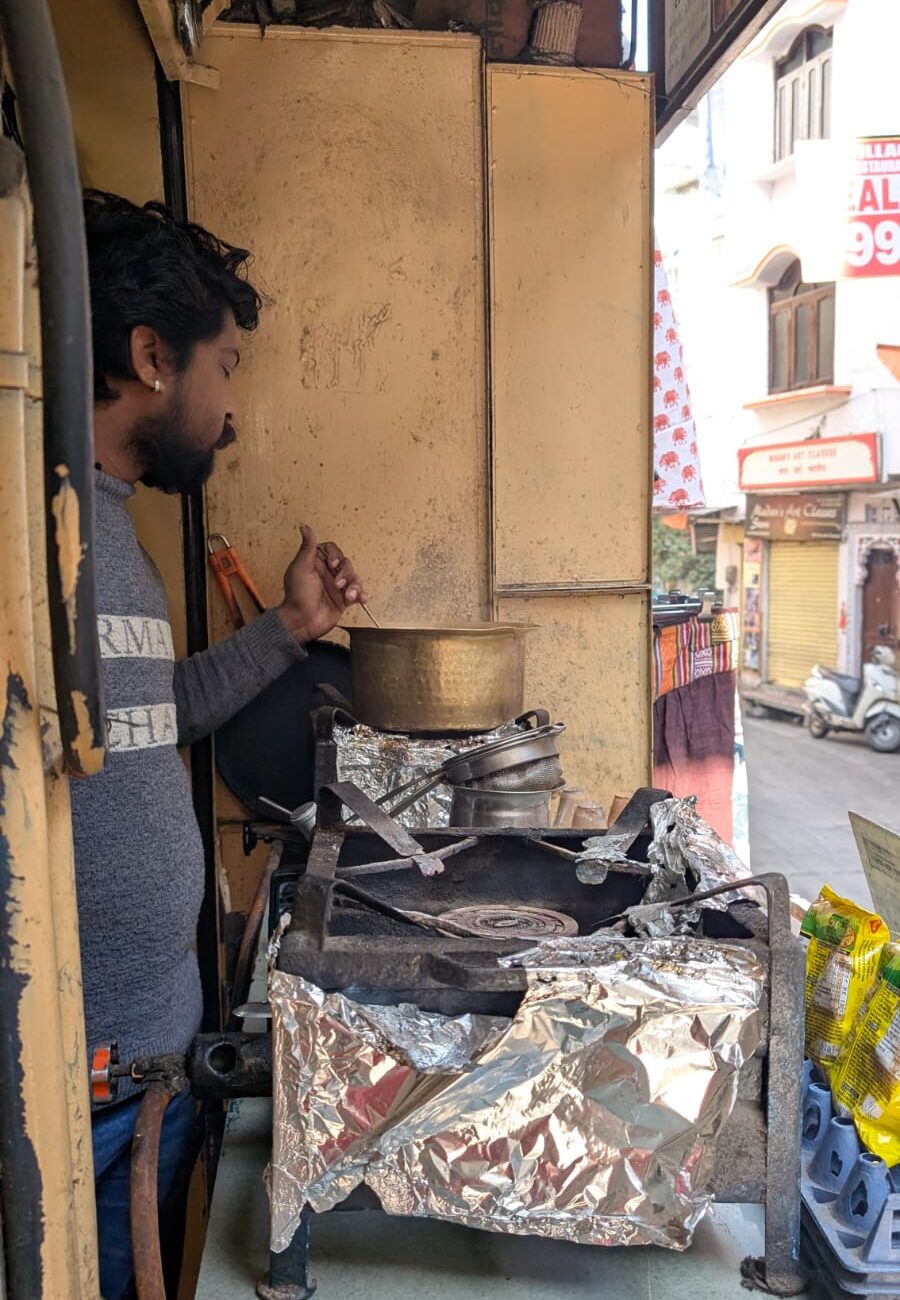
If you’ve noticed, tapri chai is often creamier. That’s because many tapris use a higher proportion of milk than we typically do at home. A richer milk content balances the slight bitterness of strong tea while giving the chai that silky mouthfeel people instantly associate with “cutting chai.”
Different regions even have their own ratios. Mumbai tapri chai is usually stronger and milkier, while some North Indian versions lean slightly more towards water with bold spices. Neither is wrong. it simply changes the personality of the chai.
They Use More Tea Leaves Than You Think
Most of us use one teaspoon because that’s what we’ve always done. Tapri vendors aren’t making tea for delicate afternoon sipping. They’re making a brew that’s meant to wake you up after a long commute, accompany rainy evenings, and survive generous amounts of milk and sugar. That usually means using more tea leaves than you’d expect. More tea leaves create a stronger base, allowing the flavours to remain bold even after milk is added.
The Constant Boiling Changes Everything
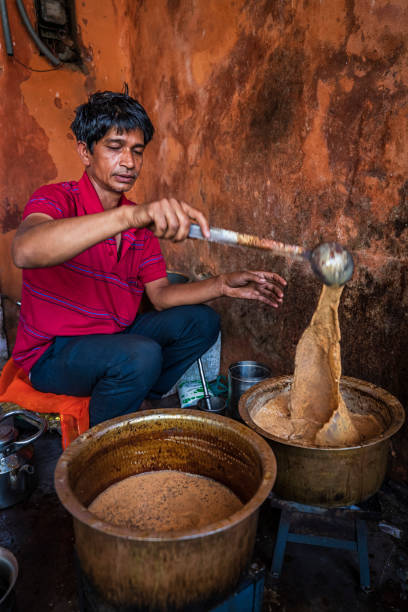
Ever noticed how tapri chai keeps bubbling away? Many people think this over-boils the tea. Surprisingly, controlled boiling actually helps. Repeated simmering allows the flavours from tea, spices, milk, and sugar to blend together into one cohesive drink instead of tasting like separate ingredients. This process creates what people often describe as “kadak chai.” Just be careful not to overdo it at home, or the tea may become excessively bitter.
Freshly Crushed Spices Make a Huge Difference
Pre-ground masala is convenient. Freshly crushed ginger, cardamom, pepper, cloves, or cinnamon are magical. The moment you crush spices, volatile aromatic oils are released. These oils are responsible for that irresistible fragrance that greets you even before the first sip. That’s why freshly made masala chai almost always tastes brighter than one made with ready-made spice powders.
They Brew Hundreds of Cups Every Day
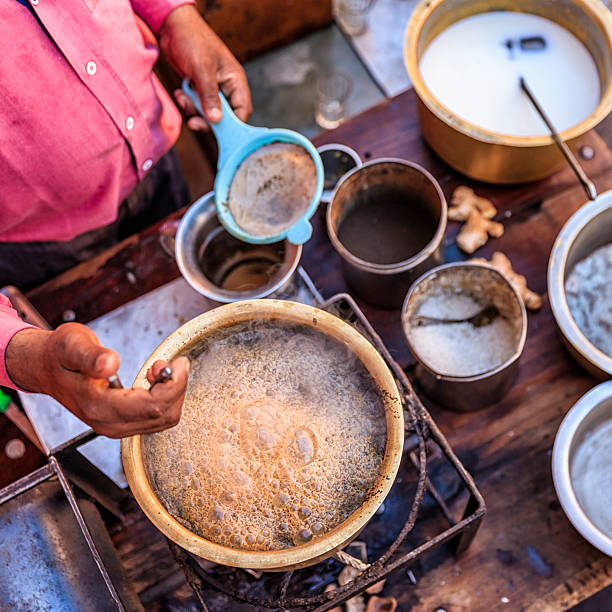
Practice matters. Imagine making chai 300 times every day. Eventually, you instinctively know exactly when the aroma changes, when the milk reaches the perfect boil, or when the tea has extracted just enough flavour. Tapri chai isn’t lucky. It’s consistent because it’s repeated thousands of times.
There’s a Psychological Ingredient Too
Have you ever had chai standing outside during monsoon? Or after a long train journey? Or while chatting endlessly with friends?
That’s the secret ingredient no recipe can measure. Context changes flavour.
Fresh air, conversations, rain, roadside sounds, newspaper in one hand, and a tiny glass of steaming chai in the other—your brain remembers the entire experience, not just the drink.
Scientists even call this cross-modal perception, where our surroundings influence how we perceive taste.
Maybe the tapri chai isn’t dramatically better. Maybe the memory makes it unforgettable.
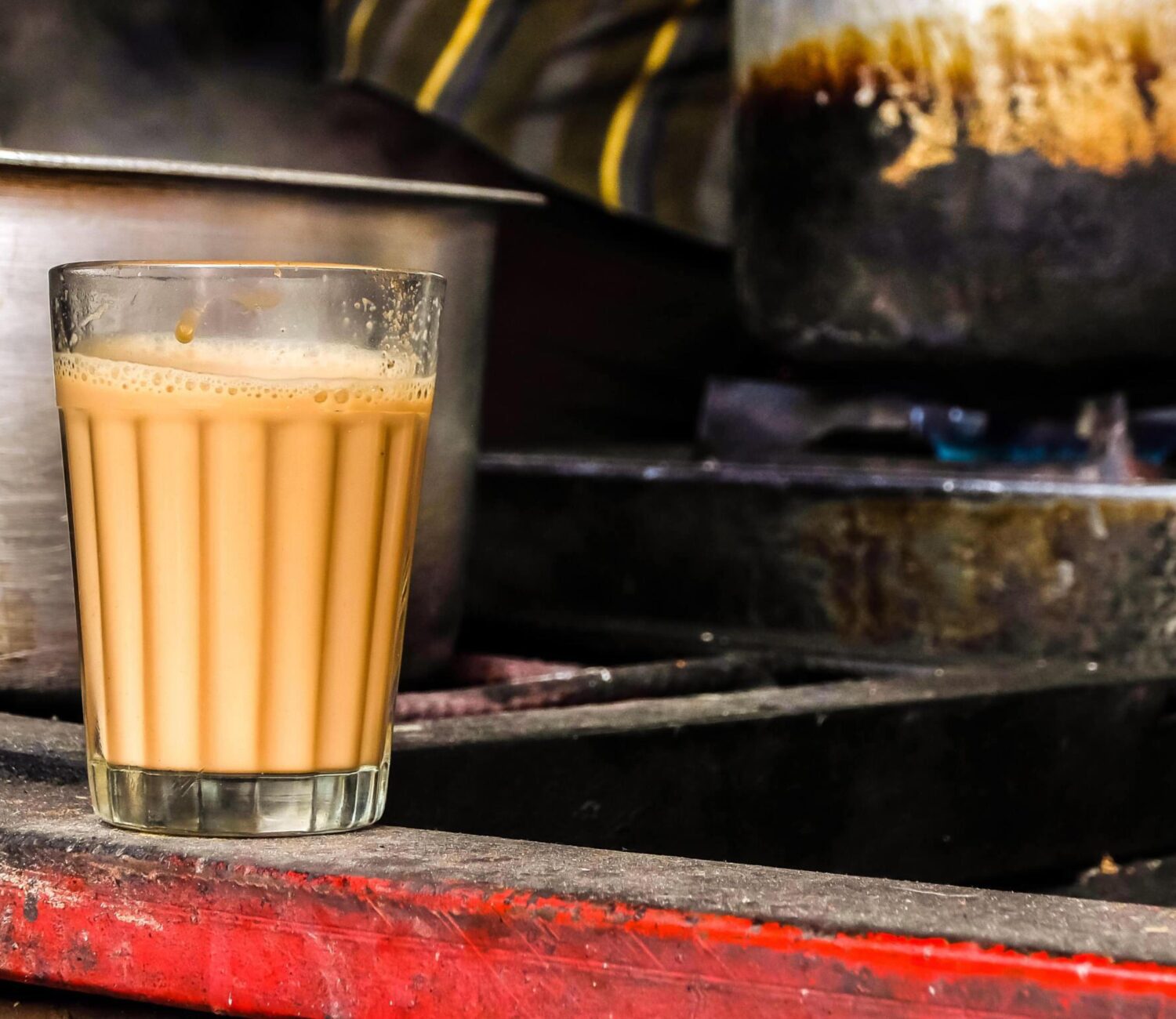
How to Make Homemade Chai Taste More Like Tapri Chai
If you’re trying to recreate that authentic tapri flavour at home, here’s what actually works:
- Let the tea simmer instead of rushing it.
- Use slightly more tea leaves than usual.
- Crush fresh ginger and cardamom instead of using powders.
- Don’t be afraid of a few extra minutes of gentle boiling.
- Use full-fat milk if you enjoy richer chai.
- Brew with consistency instead of changing ingredients every day.
Small tweaks often make a much bigger difference than buying expensive tea.
Final Sip
The beauty of tapri chai isn’t hidden in one magical ingredient.
It’s in the patience.
It’s in repetition.
It’s in generous brewing.
And perhaps most importantly, it’s in the memories attached to every cup.
Your homemade chai may never taste exactly like the one from your favourite roadside stall, and that’s okay.
Because home has its own flavour too.
The next time you brew yourself a cup, slow down a little. Let the tea simmer. Crush those spices fresh. Enjoy the aroma before the first sip.
You might just find that the best chai wasn’t missing an ingredient after all, it was missing a little time.