Matcha and green tea both come from the same plant, Camellia sinensis. Yet, they are very different in terms of how they are grown, processed, prepared, and consumed. Many people assume matcha is just powdered green tea, but that is not true. While they share the same origin, the final cup you drink is quite different. Understanding these differences can help you choose the right tea based on taste, caffeine preference, and lifestyle.
What is Green Tea?
Green tea is made from tea leaves that are harvested, lightly steamed or pan-fired, and then dried. This process prevents oxidation and helps retain the natural green color and antioxidants. The leaves are either rolled or left flat, depending on the variety. Popular green teas include Sencha, Longjing, and Gunpowder tea.

To prepare green tea, the leaves are steeped in hot water for a short time and then removed. The brewed tea is light, refreshing, and slightly grassy in flavor. Green tea is commonly consumed throughout the day and is known for its gentle energy boost and calming effect.
What is Matcha?
Matcha is a powdered form of green tea, but the cultivation and processing method is completely different. Matcha plants are shade-grown for about three to four weeks before harvest.

After harvesting, the leaves are steamed, dried, and de-stemmed to produce tencha. Tencha is then stone-ground into a fine green powder known as matcha. Unlike regular green tea, matcha is not steeped and strained. The powder is whisked directly into hot water and consumed entirely.
Difference in Preparation Method
One of the biggest differences between matcha and green tea is how they are prepared. Green tea is steeped and discarded after brewing. Matcha, on the other hand, is fully consumed, meaning you ingest the entire tea leaf in powdered form.
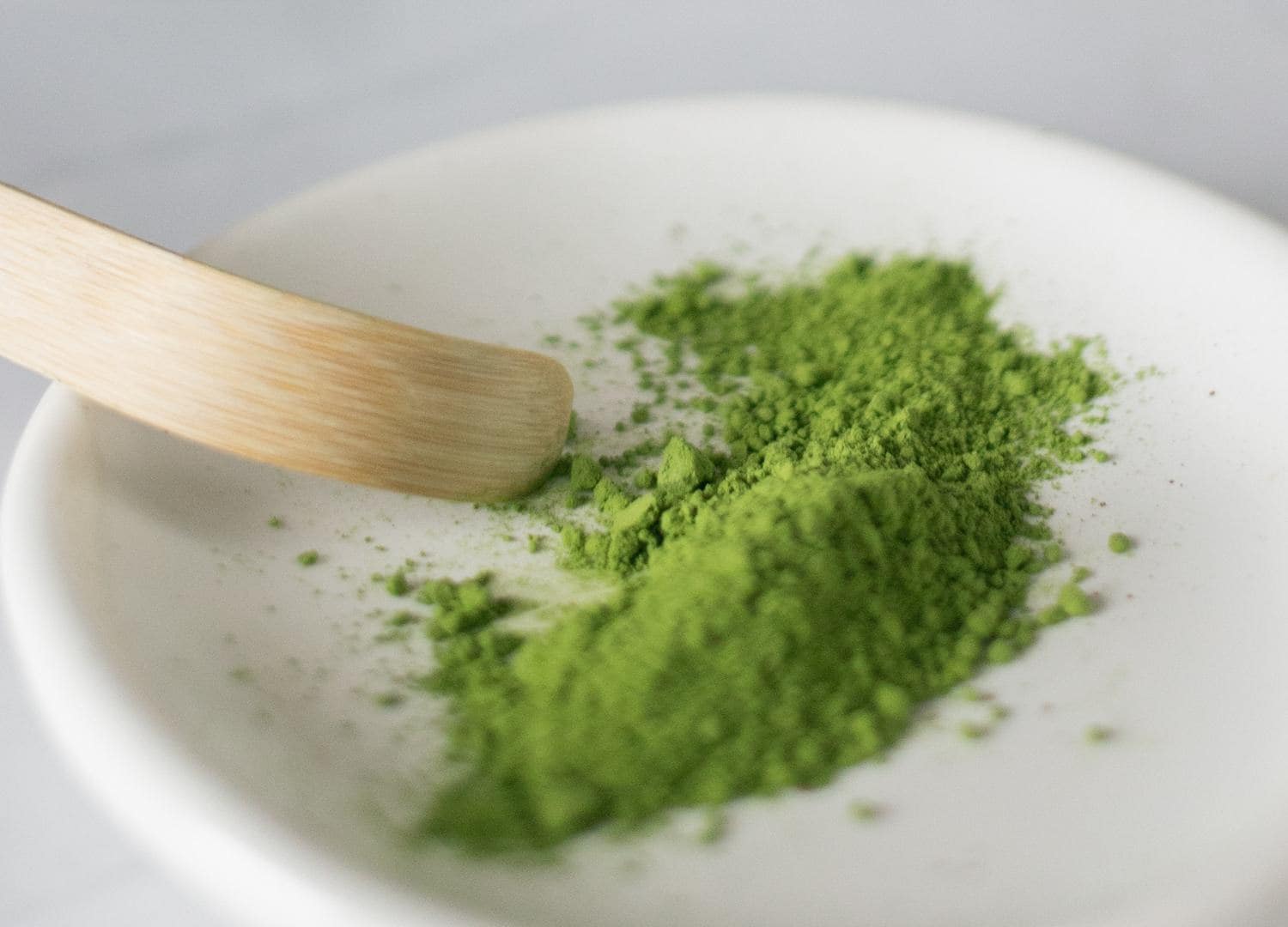
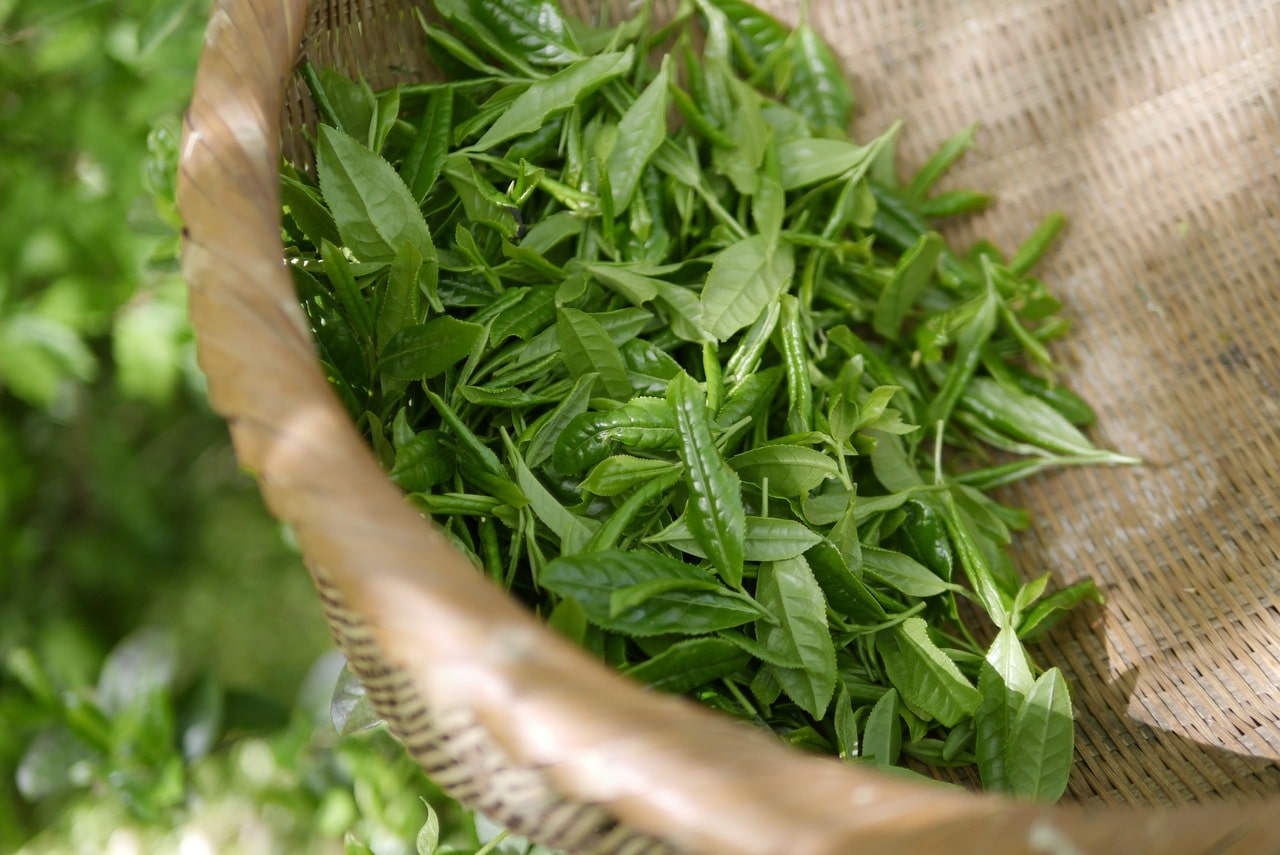
This makes matcha more concentrated in nutrients, antioxidants, and caffeine compared to green tea. The preparation of matcha also involves whisking, which creates a smooth, frothy texture.
Difference in Taste and Texture
Green tea has a light, clean, and slightly astringent taste. Depending on the variety, it may taste grassy, nutty, or mildly sweet. Matcha has a much stronger flavor. It is rich, creamy, and slightly vegetal with a distinct umami taste.
Because matcha is powdered, it has a thicker texture compared to green tea. This makes it feel more filling and indulgent.
Caffeine Content: Matcha vs Green Tea
Matcha contains more caffeine than regular green tea. Since you consume the whole leaf, the caffeine content is naturally higher. However, matcha also contains high levels of L-theanine, which helps release caffeine slowly. This provides sustained energy without the sudden jitters often associated with coffee.
Green tea has lower caffeine and offers a gentler energy boost. It is better suited for those who are sensitive to caffeine or prefer multiple cups in a day.
Nutritional Differences
Matcha is nutritionally more dense than green tea. It contains higher levels of antioxidants, especially catechins like EGCG. Because green tea leaves are steeped and discarded, some nutrients remain in the leaves and do not make it into the cup.
That said, green tea still offers many health benefits and is easier to incorporate into daily routines.
Which One Should You Choose?
If you are looking for a calming, light beverage for regular consumption, green tea is a good choice. It is easy to prepare and works well for hydration throughout the day. If you want a more focused energy boost and higher antioxidant intake, matcha may be better suited for you.
Both matcha and green tea have their own place in a balanced lifestyle. Choosing between them depends on your taste preference, caffeine tolerance, and how you like to enjoy your tea.
Understanding how matcha is different from green tea helps you appreciate each tea for what it offers. While they come from the same plant, their journey from leaf to cup makes all the difference.
If you’re planning to try matcha, you can check out my blog where I’ve shared a list of the best matcha tea brands available on Amazon.