Why Fake Darjeeling Tea Is a Real Problem
Darjeeling is often called the champagne of teas, and just like champagne, its name carries a lot of value. That is exactly why so many packs out there use the word Darjeeling without really being Darjeeling.
Here is a fact that surprised me. Darjeeling grows only in a small hilly region of West Bengal, and its yearly production is just a small part of what India makes. A figure often quoted is that around 8 to 10 million kg of real Darjeeling is produced each year, while far more tea than that has been sold around the world under the Darjeeling name. That gap tells you something is not adding up.
I am a tea enthusiast and not a tea taster by profession, so I will share what I have learned and what is officially recommended, in simple words. No scary claims, just a checklist you can use before you buy.
What Makes a Tea Genuine Darjeeling?
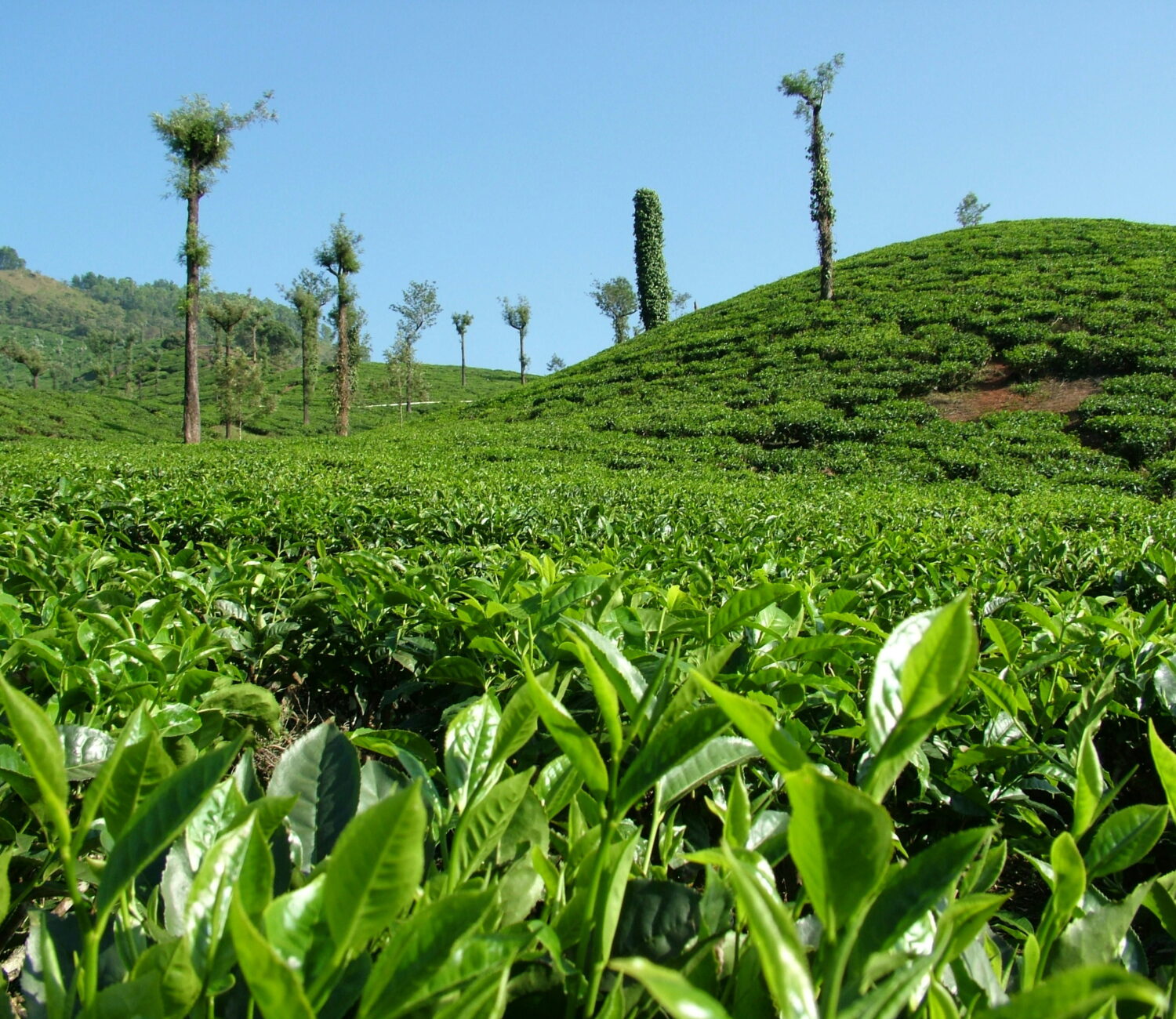
Genuine Darjeeling tea must be grown in the notified gardens of the Darjeeling hills and processed there as well. The word Darjeeling and the Darjeeling logo are protected by the Tea Board of India. Darjeeling was also the first product in India to get a GI (Geographical Indication) tag. The Tea Board runs a certification and licensing system for sellers, and blending Darjeeling with teas from other origins is not allowed if it is sold as Darjeeling.
So the simple rule is this: if it is sold as Darjeeling, it should be 100 percent Darjeeling from the right region.
8 Ways to Spot Fake or Blended Darjeeling Tea
1. Look for the Tea Board Darjeeling Logo
Genuine packs carry the official Darjeeling logo of the Tea Board of India, along with certification details. If a pack only has pretty pictures of tea gardens and mountains but no logo, take a pause.
2. Check for the Certification and Licence Number
The Tea Board certifies Darjeeling tea and licenses its sellers. A genuine seller can show you the certification or licence number. If a brand cannot tell you, that is a red flag. You can also ask the seller to share the certificate before you buy.
3. Read the Exact Words on the Pack
This one is sneaky. Watch out for words like these:
- Darjeeling blend
- Darjeeling style
- Darjeeling flavour
- Darjeeling special or Darjeeling mix
These often mean the tea is not purely from Darjeeling. Look for wording like 100 percent Darjeeling tea.
4. Look for the Estate or Garden Name
Good Darjeeling is usually sold with details. Look for the garden or estate name, the flush (first, second or autumn), the harvest year and the tea grade. A pack that says only Darjeeling Tea with no other information deserves a closer look.
5. Check the Price
Real Darjeeling is a specialty tea grown in small quantities, so it is not priced like everyday CTC chai patti. If a large pack of Darjeeling is being sold at the price of regular tea, ask yourself how that is possible. Higher price does not always mean genuine, but a very low price is usually a warning sign.
6. Look at the Leaf

Darjeeling is mostly made as orthodox tea, so you will usually see whole or broken leaves in a mix of shades, from green to brown, sometimes with silvery tips. Very fine dust, or uniform dark granules like CTC tea, is not what you would typically expect from Darjeeling.
7. Check the Colour and Aroma
First flush Darjeeling brews a light golden or pale yellow cup, and second flush brews a deeper amber. It should not be dark red like a strong Assam. The aroma is usually floral and fragrant, sometimes with a fruity note often described as muscatel. A heavy, flat or harsh smell can be a clue that something is off.
8. Trust Your Taste, but Do Not Rely on It Alone
Good Darjeeling tastes light, floral, slightly brisk and clean, and it does not need milk or sugar. A tea that tastes flat, very bitter or heavy and malty may be a blend. That said, taste alone is not proof, so always use it together with the label and certification checks above.
A Quick Checklist Before You Buy
- Does the pack carry the official Darjeeling logo?
- Is a certification or licence number mentioned?
- Does it say 100 percent Darjeeling and not blend or style?
- Is the estate, flush and harvest year mentioned?
- Is the price realistic for a specialty tea?
- Does the leaf look like whole or broken orthodox leaf?
- Is the seller trusted and able to answer questions?
Where to Buy Genuine Darjeeling Tea
- Buy from the tea estates or from trusted brands that sell estate wise teas.
- Look for sellers who share the Tea Board licence details.
- If you shop online, read the product description carefully, check the reviews and message the seller with your questions.
- Be careful with unbranded loose tea sold at tourist spots, where it is hard to check what you are getting.
How to Brew Darjeeling Tea
Darjeeling is delicate, so a gentle touch brings out the best. Use water that is hot but not fully boiling, around 80 to 90 degrees Celsius, and steep for about 2 to 3 minutes. Enjoy it plain, without milk, so you can notice the aroma and flavour. For more on this, you can read my blog on first flush vs second flush Darjeeling.
Quick Frequently Asked Questions
How can I check if my Darjeeling tea is original? Look for the Tea Board Darjeeling logo, the certification or licence number, the words 100 percent Darjeeling and the estate details on the pack.
Is Darjeeling blend tea fake? Not necessarily fake tea, but it is not pure Darjeeling. A blend can include teas from other places, so it should not be sold as genuine Darjeeling.
Why is Darjeeling tea so expensive? It is grown in a small region, in limited quantities, in hilly terrain and picked by hand, which makes it a specialty tea.
Does real Darjeeling tea need milk? It is usually enjoyed without milk, since the flavour is delicate.
Is Nepal or Sikkim tea the same as Darjeeling? No. They may look and taste similar, but only tea from the notified Darjeeling region can be sold as Darjeeling.
Final Thoughts
Darjeeling is one of India’s proudest teas, and a little awareness goes a long way. Check the label, ask questions, look for the logo and buy from sellers you trust. Once you taste a genuine cup, you will notice the difference.
Have you ever been fooled by a fake Darjeeling pack? Tell me your story in the comments or on Instagram.
Loved this post? Follow me on Instagram for more tea stories, pairings and discoveries.